
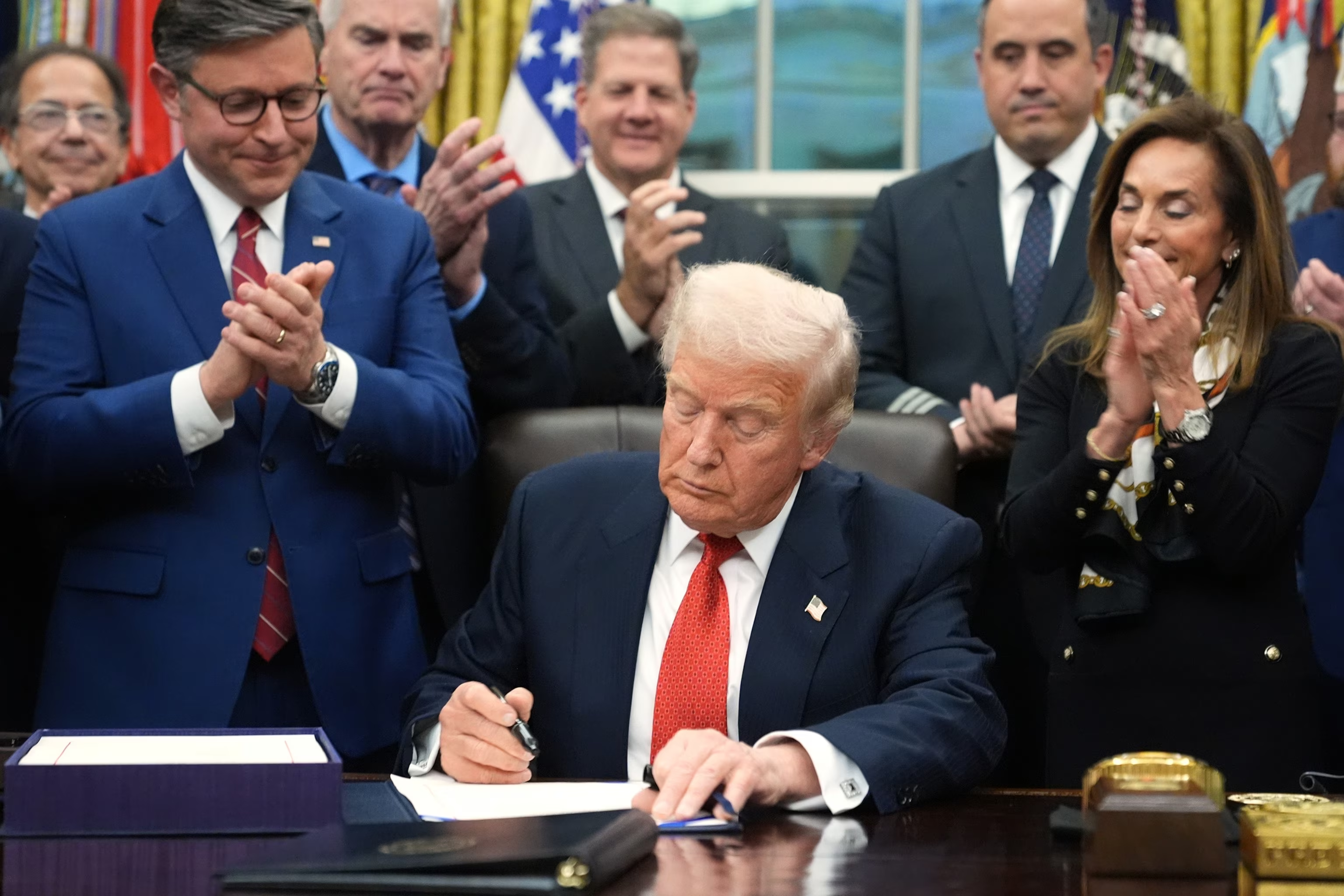

Despite the end of the longest government shutdown in United States history, lasting from Oct. 1 to Nov. 12, problems remain as the impact of the event stretches far beyond the weeks of the shutdown itself.
Government shutdowns are caused by Congress being unable to agree on a funding bill for the next fiscal year. The government opens again once the House of Representatives and the Senate agree on a new budget that the president signs.
The market will require time to recover from the setback the U.S. economy faced during the shutdown. Lowering stock prices, or a “bear market,” was caused by the shutdown. The initiation of this bear market has already drastically regressed the economy and will likely continue to regress in the coming months.
Estimates from J.P. Morgan suggest that the real GDP, or gross domestic product, growth rate in quarter 4 of 2025 will increase by 1.2%, one and a half percentage points lower than pre-shutdown estimates.
Communities everywhere in the U.S. will eventually feel the disruption. Federal services will run slowly, permits will be held up because of the backlog they have to complete from the inactive time during the shutdown, and families who rely on government programs are left unsure whether they are truly able to rely on the government.
Shutdowns also place enormous pressure on federal employees. Missed paychecks force many workers to drain savings accounts or take on loans. Even once back pay arrives, the financial strain won’t vanish.
The fear that another shutdown could happen at any time lingers and may cause the “talent” in the government to depart for more secure work.
“If people do not trust that the job they are hired for will remain,” Mr Robert Moyer, Upper School History teacher, said, “they’re not going to want to work for that institution.”
The government’s inability to pay its federal employees has led to citizens being skeptical about its decision-making process.
“I think the most important effect is that it adds to a feeling of distrust in people’s government,” Lauren Kim ‘27 said. “They feel [the government] is not doing its essential functions”.
That uncertainty affects how young people view government careers. Jobs in public service, seen as stable for a long time, are starting to seem unpredictable. Students previously considering federal work may rethink whether those paths offer the security they want.
Over time, the government may not attract the talent to fill the government roles with qualified people, causing an endless loop in the bad situations the government puts itself in.
The government’s destabilization can have effects on families in the GA. Local charities in the Philadelphia area who help struggling families are having their resources strained because families cannot rely on government programs. Because workers are not being paid, the stock market is negatively impacted, and programs that people depend on federal programs, the country is changing politically, economically, and socially, with its reputation severely damaged.