

If you picked up this newspaper and are reading this article, good for you. You’re not just unique, you’re a part of the 5% that still reads physical newspapers. You chose to skip the common, easy choice: type a couple words in a browser and scan whatever comes up. Instead, you’re opting for an unwieldy but gratifying option: reading from a tangible, ink-to-paper publication.
Since the solidification of our Constitution’s First Amendment, which highlights the relevance of a “free press,” written journalism has been a hallmark of the United States’ society and democracy. Journalists have served as an extension of the “checks and balances” system our country prides itself on, reliably bringing honesty and accountability to the people. Newspapers specifically have large contributions at the local level. They shed light on the happenings of different communities, from their business owners to government officials to school administrators.
Local newspaper reports are versatile, too— they can often be the thread that ties a community together through more lighthearted, relatable topics, like weekly sports scores of a fan-favorite team, reviews of the new coffee shop down the street, or editorials about a recent music album. But now, they’re in danger of extinction. On average, two newspapers shut down in the United States every single week. And if current projections ring true, by the end of the year, the US will have lost ⅓ of the newspapers it once had in 2005.
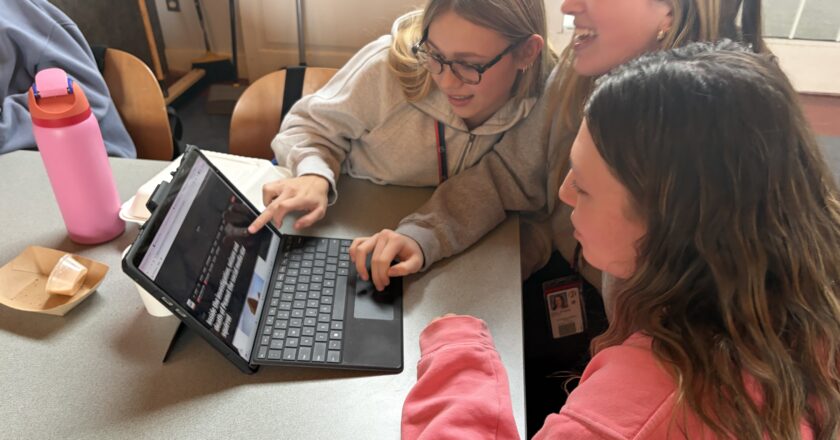
So if we all once looked at newspapers as our primary source of information, where’s everyone going now? The short answer is online, and the long answer is digital news that often can’t be traced back to a reliable primary source. 86% of adults report that they retain their information from their digital devices, and shockingly, a 2023 study by Pew Research Center found that nearly ⅓ of all young Americans get their news from — you guessed it — TikTok.
The problem with this is that online social media platforms like TikTok do not include prefaces of whether their information is “Opinion” or “News,” like the sections of a newspaper — instead, the line is blurred between propaganda and fact. Unless individuals who rely on services like these for their information take the personal burden to “horizontally search,” or examine credibility, there is no true way of knowing whether their “news” contains undertones of rhetoric, comes from a biased perspective, or, even more commonly, is concocted by artificial intelligence.