



In early January, the United States captured Nicolas Maduro, the former Venezuelan president, through a military operation involving the activation of the Army’s Delta Force and U.S. Cyber Command, among many others. The capture was a major development in Venezuela, which has been affected by political instability and economic collapse for many years.
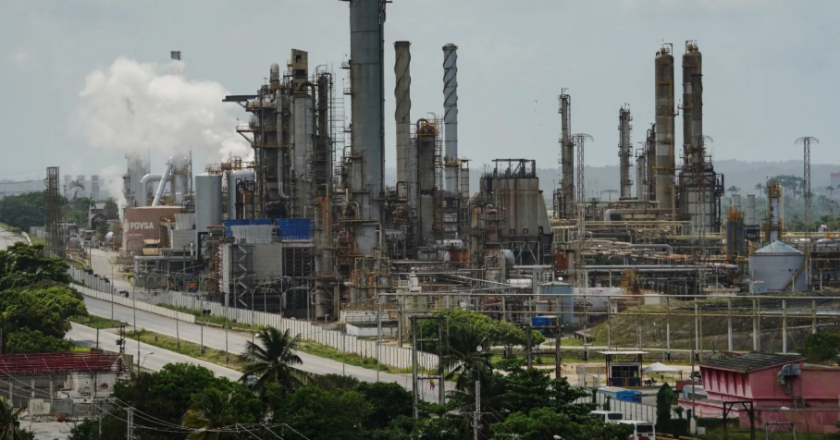
Maduro’s capture has started scrutiny over international involvement in domestic affairs. The U.S. disclosed that the reason for the capture was that Maduro had involvement in international drug trafficking and corruption. This action by the U.S. also hopes stabilize the volatile Venezuelan economy, therefore protecting the global economic health from the continued negative effects of the Venezuelan economy. The area of concern has predominantly been the oil sector and its impact on energy markets. According to Reuters, Venezuela holds about 17 percent of global proven oil reserves at roughly 303 billion barrels, the largest in the world, but output remains a small fraction of that potential.
Over the course of Maduro’s presidency, Venezuela’s economy deteriorated due to contributing factors such as hyperinflation, shortages of consumer goods, and a decrease in oil production. Despite Venezuela’s possession of the world’s largest oil reserves, years of the government and public companies, such as the PDVSA (Petróleos de Venezuela, S.A.), ineffectiveness to properly manage their countries resources has led to economic instability.
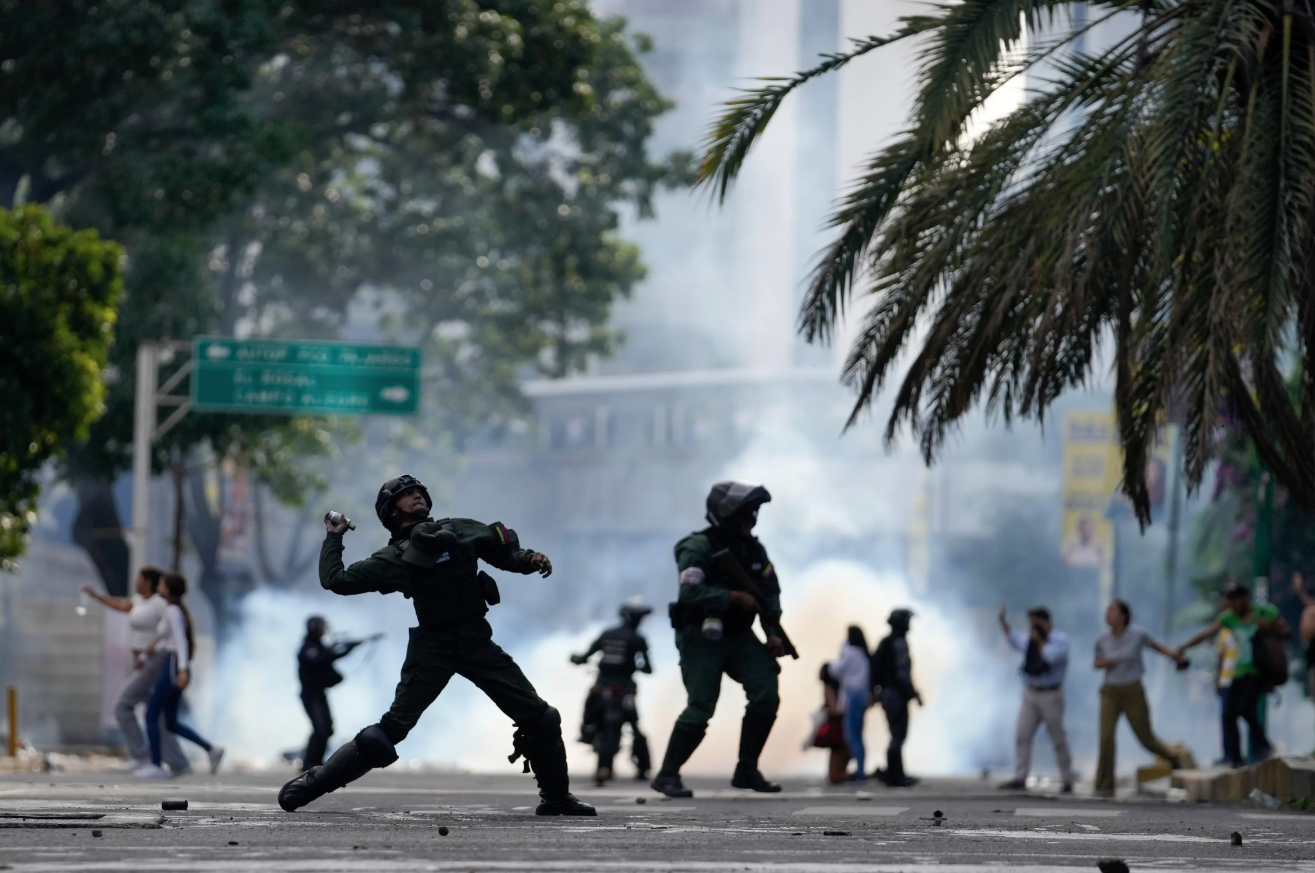
Since the capture, the U.S. has been overseeing aspects of Venezuela’s economy, including oil exports and other foreign transactions. China, Russia and other U.S. rivals, have been among the main critics of the U.S. operation as they view it as a violation of international law, though this acquisition may be influenced by their inability to continue purchasing oil at a reduced price from Venezuela. Other countries across the world also viewed the action as a violation of international law.
With the execution of this operation, the use also sets a precedent for world powers to be able to interfere with the domestic affairs of foreign countries, including the ability to capture world leaders, as the U.S. captured Maduro.
“This action fits into a broader pattern,” said Dr. Matthew Bunn, Upper School history teacher, “where U.S. allies and rivals alike are beginning to see America as less of a stabilizing force and more of a disruptive one.”
The consequence of the operation impacted various global markets across the world, as oil is used to make many different products, including plastics, rubbers, fibers and asphalt. Markets related to energy are especially impacted because increased production of oil would increase supply, resulting in a long-term drop in oil prices.
“An abundance of oil can push prices down,” Jet Dickerson ‘26 said, “and the price of gas and oil in America is likely to be lower.”
The prices of consumer goods could gradually reduce throughout the world, including within our GA community, as an increased supply of oil, used to make a wide variety of products, would gradually slow down the growth in product prices.
The U.S. now has much influence over Venezuela’s oil reserves, gaining power within the energy sector as Venezuela’s re-entry into international oil markets embarks on the emergence of Venezuela as a significant oil market supplier. Though dependent on investment, political stability, and continued buildout of oil infrastructure. Though Venezuela’s short-term effect on oil markets has been positive for the U.S., the future success of the reentry remains uncertain.
https://www.apnews.org/maduro-captured-venezuela-crisis
https://www.washingtonpost.com/national-security/2026/01/28/rubio-venezuela-trump