
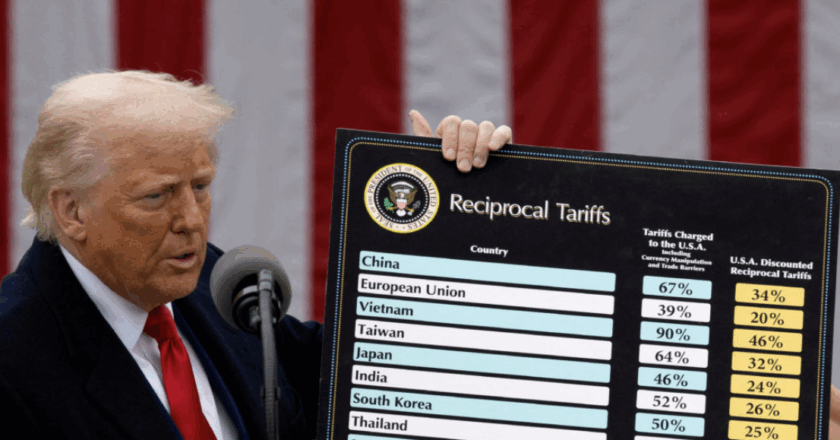


The ongoing tariff wars are reshaping international markets, straining trade around the globe, and impacting consumer costs.. Specifically, recent back-and-forths with China have affected everyone in these countries, including members of the GA community.
The Trump administration has imposed tariffs, a tax on imports and exports of goods or services, on many countries, such as India and Brazil. These countries, along with other main U.S. importers such as Mexico and Canada, have had large tariffs instated. Trump believes that the tariffs will protect domestic production and improve national security.
Trump validates the tariffs for two reasons. Other countries have enforced tariffs on the U.S. for many years, without the US applying tariffs in return. Tariffs are also believed to promote American industries, supposedly boosting the internal American economy and making the U.S. more self-reliant.
“When one country throws up tariffs, in many cases, other countries reciprocate,” Dr. Adam Wilsman, Upper School history and economics teacher, said. “Tariffs are bad for international trade because they dissuade different countries from trading with one another.”
Tariffs have historically caused a decrease in international trade, which negatively impacts the economy as a whole. However, it can also make a country more self-dependent, which positively affects its economy in the long term.
Another repercussion of imposing tariffs is the rising cost of consumer goods, which directly impacts all American consumers. The local impact of tariffs is the appreciation of the costs of imported and exported goods, which causes a ripple effect among products throughout the market.
“They affect everybody,” Dr. Wilsman said. ”When you go to the store, you’re seeing huge amounts of inflation, some percentage of which can be tied directly back to tariffs.”
The rise in consumer prices due to tariffs has affected everyone, including consumers in the GA community.
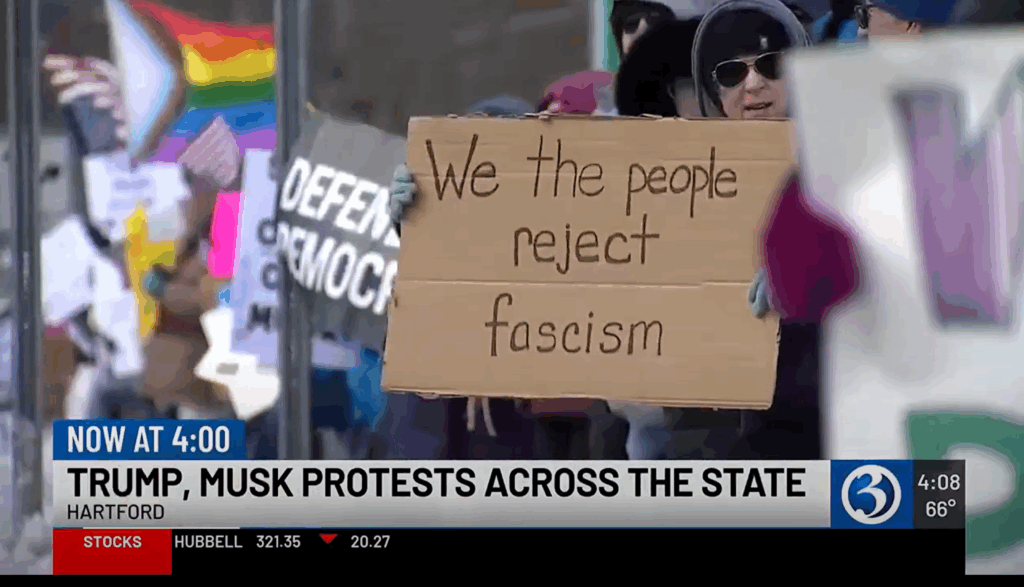
“Students are going to Rich’s, or they’re going to Wawa or Starbucks. All those prices are going up,” Librarian Roderick Thomas said. “The fact is, we can’t grow coffee domestically. So, slapping tariffs on all countries that coffee may come from, those prices are going to go up.”
In response to the widespread economic effects of the tariffs, twelve states are suing the Trump Administration, arguing that he has overstepped his presidential authority in declaring emergency powers to impose the tariffs.
On Nov 5, the Supreme Court will make a ruling regarding whether Trump has overstepped his authority. Their decision will dictate the President’s power over tariffs and affect what tariffs are imposed by Trump.
“That series of rulings about tariffs are connected to a broader series of rulings about executive power,” Dr. Wilsman said. “Does the President have the ability to impose tariffs unilaterally, without congressional support, without, I would say, broad support by the American voting population?”
One of the biggest examples of the Trump Administration’s tariffs is the trade and tariff wars. The U.S. and China have been in a back-and-forth since 2018, but recently the tariffs have been escalating. In early April of this year, a huge tariff spike between the two countries occurred as a result of the Liberation Day Tariffs, raising some tariffs of Chinese products to over 145%. China retaliated with more tariffs, and a few days after these events, Trump announced a 90-day tariff pause.
This pause was extended for another 90 days until Nov. 11. However, tariffs have been put in place since, such as the tariff on timber. China has also been steadily decreasing its exports to the U.S. China’s exports of rare earth materials dropped steeply in September by about 30%.
The U.S. and China continue to shape the global economy through the tariff wars, affecting communities nationwide. As consumer prices fluctuate and political tensions rise, the communities are being impacted by the consequences of these economic policies.